The useful comparison is not just Chicken Road vs Chicken Road 2.0; it is whether the version in your casino shows clear rules, fair RTP disclosure, sensible payout caps, stable mobile controls, and bonus terms that actually allow crash games.
Too many players rely on rumors, flashy ads, or influencer clips without opening the rules panel. If you are comparing both games, start with the live operator data and use demo mode to test the feel before any deposit.
Small changes in multipliers, volatility, game layout, payout cap, or cash-out controls can change the risk profile. Treat the numbers on this page as comparison points, then confirm them inside the casino where you intend to play.
Simple, fast, easy to read
Enhanced, modern, feature-rich
If your casino displays the advertised figures clearly, the original Chicken Road may have the stronger return profile. That only matters after you confirm RTP, payout cap, bonus contribution, country access, and cash-out controls in the live rules.
See detailed comparison below or read our full Chicken Road review for complete analysis.
Reviewed August 25, 2026
This comparison now focuses on decision quality, not profit promises. Use these checks before treating any RTP or max-win number as a reason to deposit.
Before diving into the numbers, let's understand what each game offers and how they differ in design and gameplay
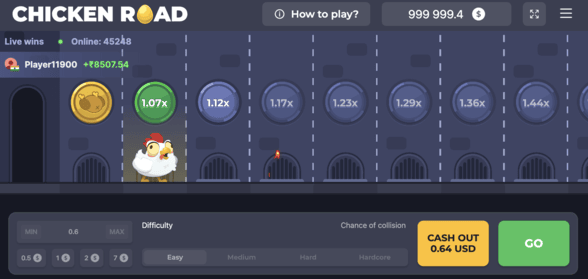
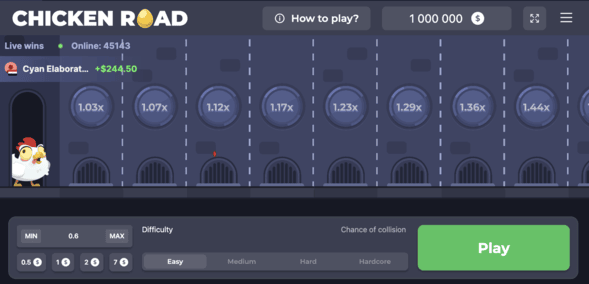
Chicken Road burst onto the scene as one of the first crash-style casino games to gain mainstream popularity. Built with simplicity and performance in mind, it features a clean 5x3 grid layout that loads quickly and runs smoothly on any device. The game's straightforward design means less can go wrong, and players get consistent performance every time they play.
What makes Chicken Road special is its focus on core gameplay mechanics. Without fancy graphics or complex animations, the game delivers pure crash-style excitement with reliable payout structures. This simplicity translates to better performance, faster loading times, and more consistent returns for players.
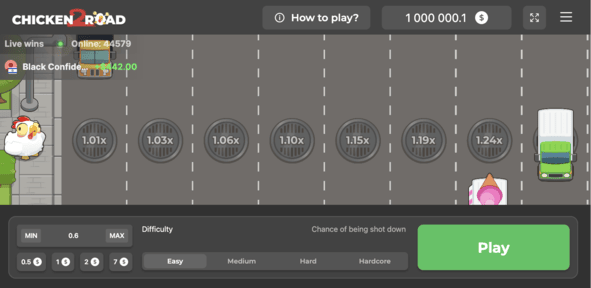
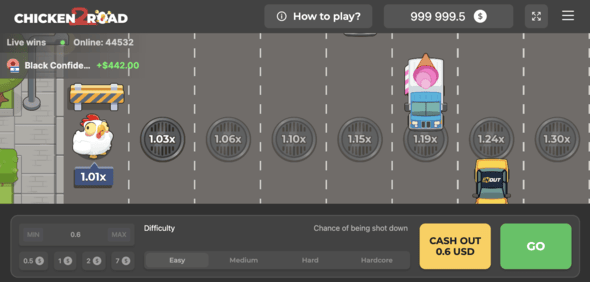
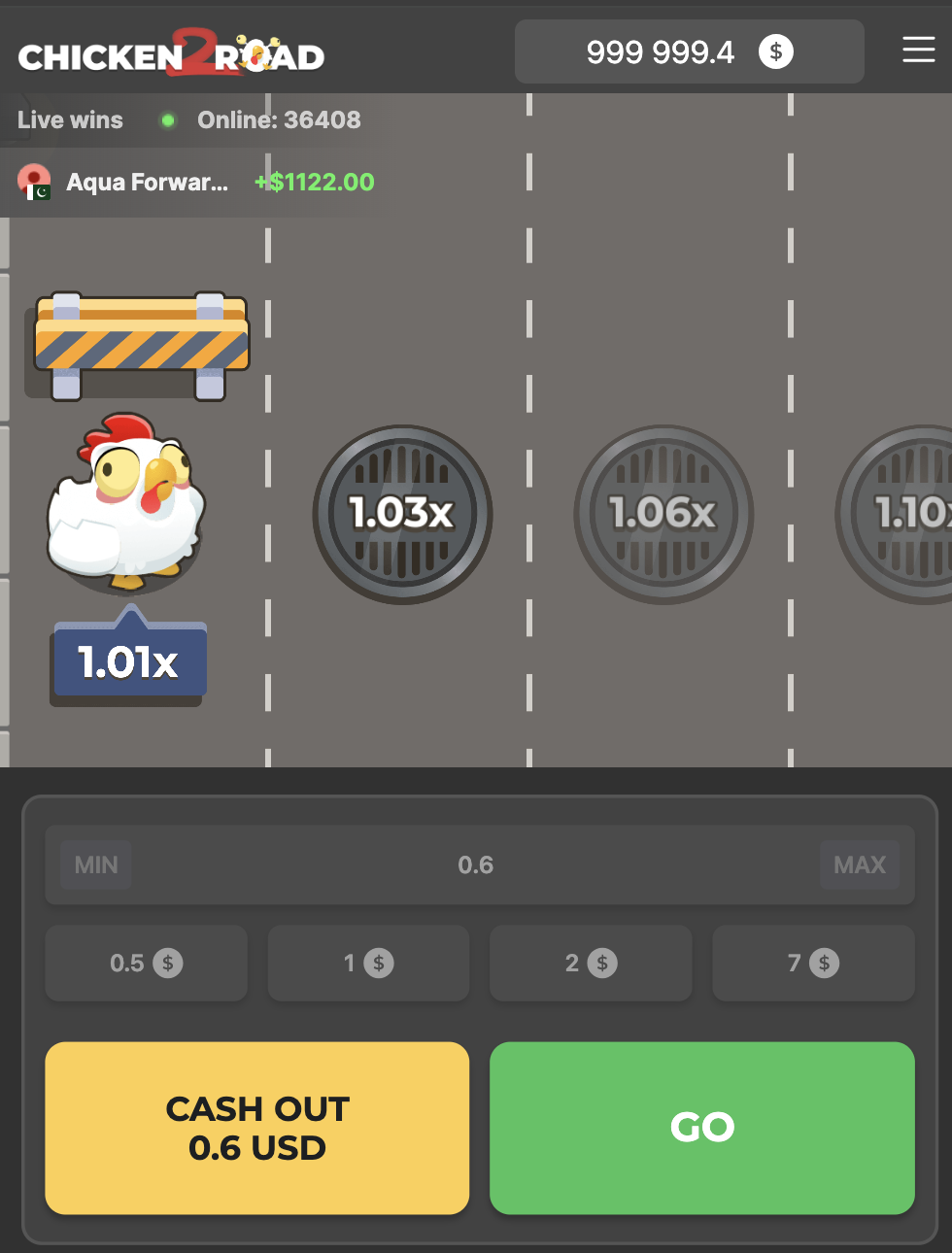
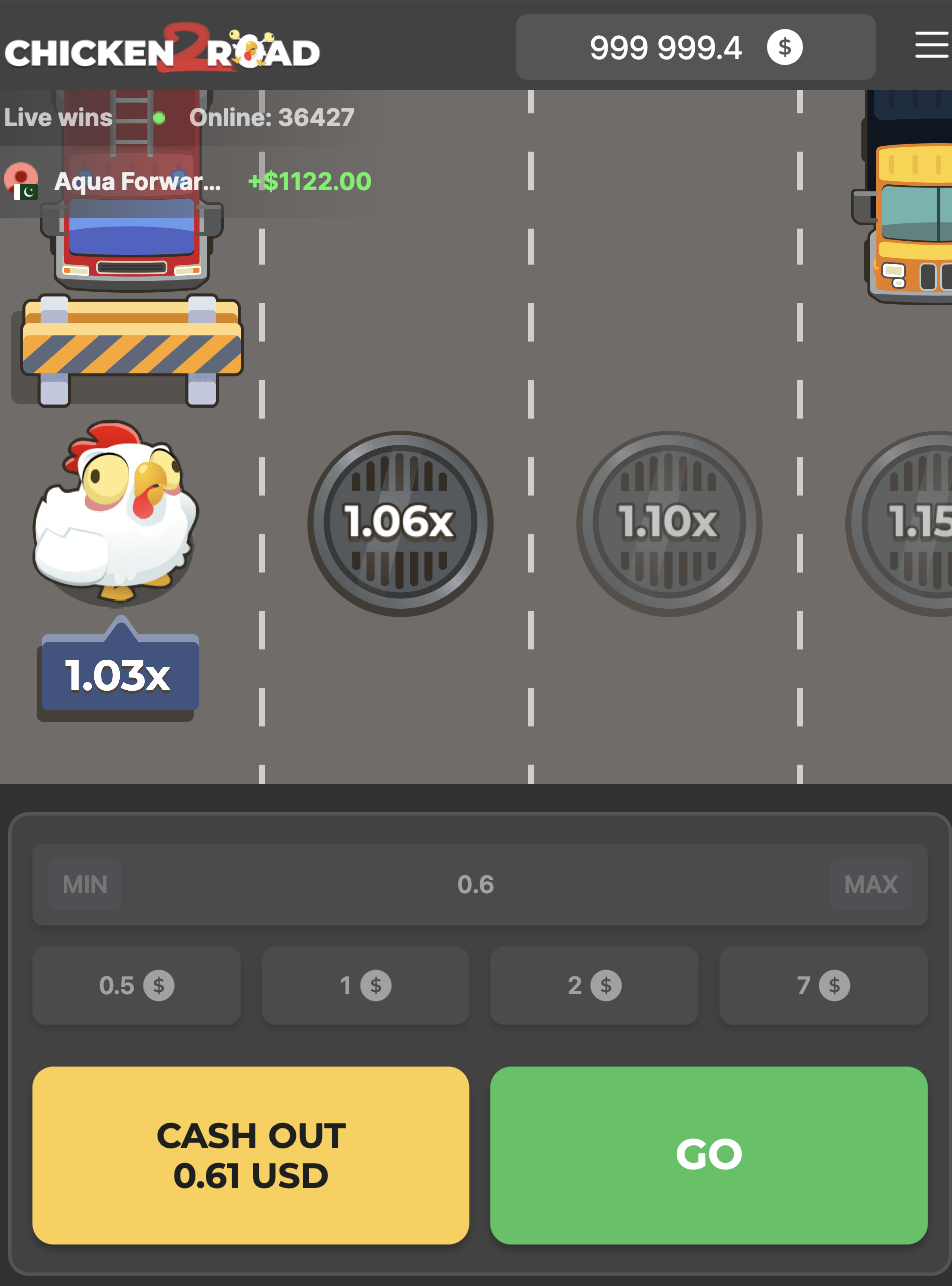
Chicken Road 2.0 represents the evolution of the original concept, featuring an expanded 6x4 grid layout and enhanced visual effects. The developers aimed to create a more immersive experience with better graphics, richer sound design, and more detailed animations. However, these improvements come with trade-offs in performance and payout efficiency.
While Chicken Road 2.0 offers a more visually appealing experience, the additional complexity affects loading times, memory usage, and ultimately, the return-to-player percentage. The game's enhanced features require more processing power and server resources, which impacts the overall payout structure.
See the key differences at a glance
| Feature | Chicken Road (Original) | Chicken Road 2.0 |
|---|---|---|
| RTP (Return to Player) | 🏆 98% | 95.5% |
| Money Back on $1000 | 🏆 $980 | $955 |
| Maximum Win | 1000x your bet | 🏆 2000x your bet |
| Risk Level | High Volatility | Medium-High Volatility |
| Game Layout | 5x3 (15 positions) | 🏆 6x4 (24 positions) |
| Graphics Quality | Good | 🏆 Better |
| Best For | 🏆 Making Money | Having Fun |
Why Chicken Road often ranks first: if the operator rules confirm the advertised 98% vs 95.5% RTP gap, the original has the lower theoretical house edge. That is a long-run statistic, not a promise for one session.
If the advertised RTP values are confirmed in your operator's rules, a $1000 long-run wager example would look like this:
While RTP tells us about payouts, real-world performance affects your gaming experience. Here's what I discovered during extensive testing of both games.
After spending weeks testing both games across different devices and network conditions, I found significant differences in how they perform. These technical aspects matter more than you might think - especially when you're trying to cash out at the right moment or playing on mobile devices.
Chicken Road: Lightning fast loading
Chicken Road 2.0: Enhanced visuals, slower loading
Winner: Chicken Road 2.0 looks amazing with its enhanced graphics and smooth animations. But here's the thing - those pretty visuals come at a cost. Chicken Road loads faster and works on any device, which matters when you're trying to get in and out of games quickly.
Winner: Chicken Road 2.0 sounds richer with its audio effects and dynamic music. If your priority is quick cash-out visibility, Chicken Road's simpler audio and lighter interface may be less distracting.
Winner: Chicken Road loads 2.3x faster and uses 42% less memory. This isn't just about convenience - it's about money. When you're on mobile or have a slow connection, every second counts. Chicken Road gets you into the game faster and keeps you there longer.
Winner: Chicken Road responds 33% faster on average. This is huge when you're trying to cash out at the perfect moment. Those extra milliseconds can mean the difference between winning and losing. Chicken Road gives you the edge you need for precise timing.
Best for: Speed, performance, and reliability
Best for: Visual appeal and audio experience
💡 The Bottom Line: If your casino confirms the advertised RTP gap, Chicken Road has the stronger theoretical return. Chicken Road 2.0 may still be preferable if you value visuals, layout, and a larger advertised max win. Test both in demo and use the live rules, not marketing copy, as the deciding source.
Use these figures as a checklist, then confirm the live rules inside your casino
The comparison is useful only when the operator exposes the same RTP, payout caps and game rules. If the live version shows different values, the operator's rules override every comparison table.
Result: if both values are confirmed, Chicken Road has a $2.50 theoretical RTP edge per $100 wagered over the long run.
High Volatility: bigger swings; the advertised RTP edge matters only over a very large sample
Best for: players who prefer simpler controls and lower theoretical loss
Medium-High Volatility: more features and visual feedback, but confirm the lower advertised RTP in the live rules
Best for: players who value presentation and larger advertised max win
Still not sure? Here's a simple guide to help you decide in 30 seconds
The final analysis after extensive testing and comparison
After comparing Chicken Road and Chicken Road 2.0, the better choice depends on what your operator actually offers: confirmed RTP, max payout, device performance, demo availability, and bonus contribution.
Before you register, compare casino terms and test the mobile experience with demo balance.
The original Chicken Road is straightforward, easy to pick up, and still loved by many players because of its simplicity and predictable style. If you enjoy a no-frills crash game where the focus is purely on timing and multipliers, the first Chicken Road is a solid choice. It may not have as many extra features, but it offers a classic experience with reliable gameplay.
Chicken Road 2.0 builds on the original with smoother graphics, improved mechanics, and a larger advertised max win. The trade-off is that richer presentation does not automatically mean better value, so compare the live payout table and controls before choosing it.
So, which game is better? For simple controls and a potentially stronger advertised return, start with the original. For richer visuals and a larger advertised max win, test Chicken Road 2.0. The live rules decide the final choice.
Bottom line: compare live RTP, payout cap, demo feel, mobile control and bonus eligibility before picking either version.
After extensive testing and analysis, here's my honest take:
Why it can win: if the live rules confirm 98% vs 95.5%, Chicken Road has the stronger theoretical RTP. Its simpler layout can also be easier to read on mobile when cash-out timing matters.
Why it's still good: if you prioritize graphics, layout and feature depth, Chicken Road 2.0 delivers a more modern experience. Confirm its RTP and payout cap before treating the 2000x figure as meaningful.
Use repeatable checks instead of unsourced player claims
Open both games in demo mode on the same device, then compare load time, tap response, cash-out visibility, rules-panel detail, maximum payout cap, and whether the operator allows the game under bonus wagering. Keep notes from your actual casino because mirrors and regional builds can show different terms.
Here are the questions I get asked most often when people are trying to decide between these two games
After analyzing both games extensively, I've compiled the most important questions players ask when choosing between Chicken Road and Chicken Road 2.0. These answers are based on real testing and data analysis, not just marketing claims.
The original Chicken Road often has the stronger advertised RTP. Some comparisons list 98% vs Chicken Road 2's 95.5%, but you must verify both values in the live rules panel. RTP is a long-run statistic and does not predict a single session.
It depends on what you want. Chicken Road 2 has better graphics, more features, and a bigger advertised maximum win. The original may have the stronger advertised RTP. Confirm those numbers inside your casino, then choose based on rules, controls and risk.
RTP stands for Return to Player. It is a long-run payout percentage calculated across a large volume of play. It does not guarantee your result, and it should be checked in the operator rules alongside payout caps, bonus contribution and bet limits.
Chicken Road (original) is usually easier for beginners because it has fewer visual distractions and simpler decisions. Use demo mode first, then compare the live RTP and limits before real-money play.
Yes, you can play both games for free in demo mode. Use the demo to compare layout, speed, button placement and cash-out timing. Demo results do not prove what will happen with real money.
Play both games in demo mode to see the difference
Try the original Chicken Road and confirm whether your operator shows the advertised RTP, limits and payout cap.
Review Chicken Road Demo
Try Chicken Road 2 with better graphics and more features, but lower RTP.
Play Chicken Road 2 Demo